Software-as-a-service has quietly become the default delivery model for business software in the GCC. Buyers no longer want a one-off build that ages badly — they want a product that improves every month, is available from any device, and scales with their team. At Thiqatech we've built SaaS platforms for property management, logistics, and retail, and the same lessons keep resurfacing.
Design for multi-tenancy from day one
Retrofitting tenant isolation into a single-tenant codebase is one of the most expensive mistakes a team can make. We default to a shared database with a tenant identifier on every row, row-level security in PostgreSQL, and a middleware layer that resolves the current tenant from the request before any query runs. For customers with strict data-residency requirements we can promote a tenant to its own database without changing application code.
Localisation is a feature, not a translation pass
A product that serves the Gulf has to be genuinely bilingual. That means right-to-left layouts that are mirrored rather than merely flipped, Hijri and Gregorian calendars side by side, Arabic-first typography, and number and currency formatting that matches local expectations. We build the RTL layer into the component library so every new screen is bilingual by default.
Billing is where SaaS projects stall
- Model plans, seats, and usage as data — never hard-code pricing tiers.
- Keep an immutable ledger of every charge, credit, and refund for audit and VAT reporting.
- Support local payment rails and invoicing, not just international card processors.
- Make downgrades and cancellations self-service — friction here damages trust.
“The teams that win with SaaS treat onboarding as a product surface, not a support ticket. The first ten minutes decide whether a customer renews in twelve months.”
— Thiqatech Product Team
Observability before scale
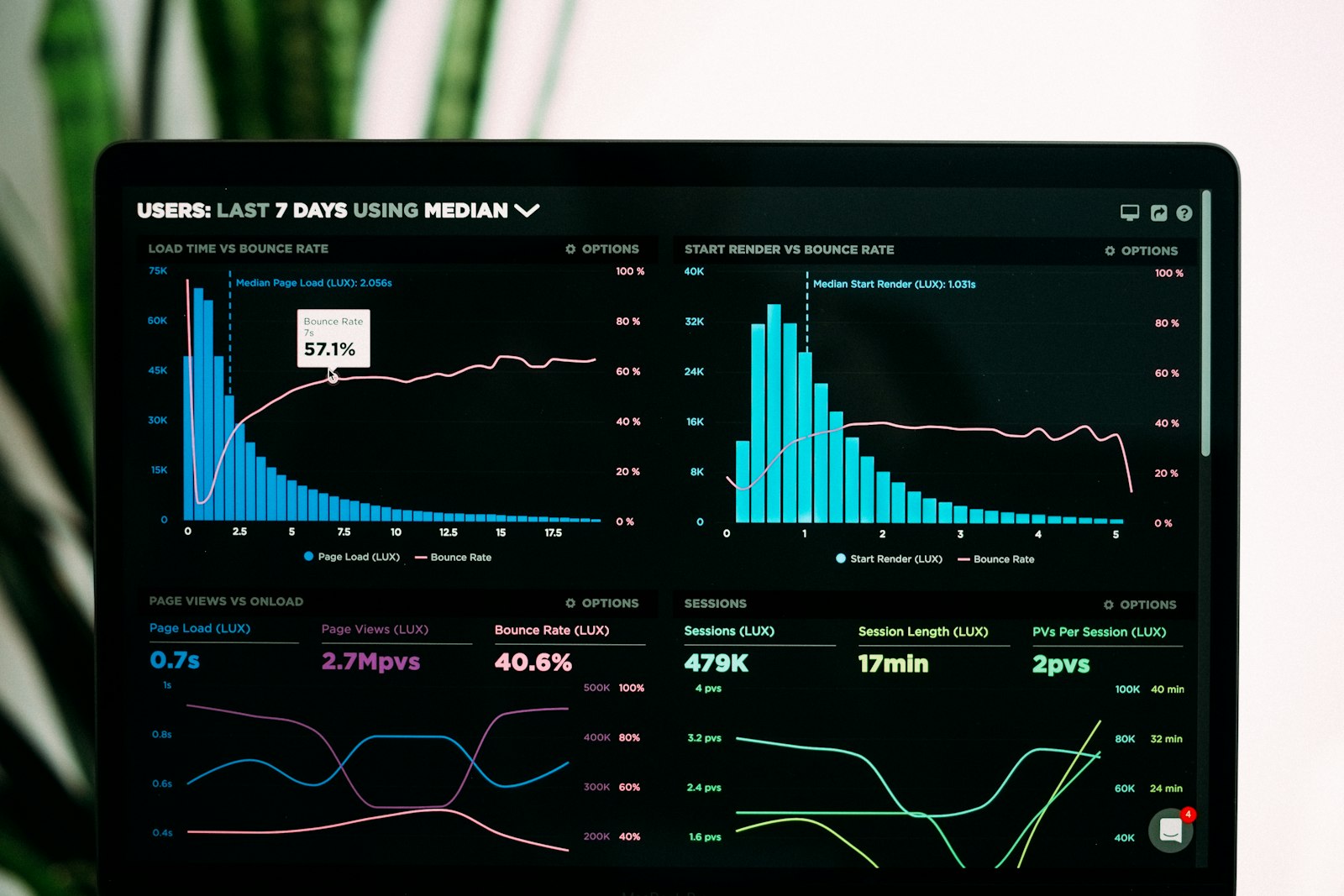
Before a platform grows, you need to see it clearly: structured logs, request tracing, per-tenant performance metrics, and alerting that pages a human before customers notice. We wire this in during the first sprint so that when traffic climbs we're tuning a system we understand rather than firefighting a black box.
Scalable SaaS is less about exotic technology and more about disciplined choices made early. Get tenancy, localisation, billing, and observability right, and the product can grow for years without a rewrite.